Beverly Hills Condo vs House: How to Choose Well
July 9, 2026
July 9, 2026
Trying to choose between a condo and a house in Beverly Hills? You are not alone, and the price gap alone can make the decision feel bigger than expected. The good news is that the right choice usually becomes clearer once you look at your budget, lifestyle, maintenance comfort, and long-term plans together. Here is how to think it through in a practical way so you can move forward with more confidence.
The first big factor is cost. Beverly Hills is a high-priced market overall, with Redfin reporting a median sale price of $6,114,341 in May 2026, homes selling in about 51 days, and an average sale-to-list ratio of 95.3%.
When you compare condos and houses directly, the spread is dramatic. PropertyShark reported a Q1 2026 median sale price of $1.6 million for condos versus $9.1 million for houses. Median price per square foot was also lower for condos at $797, compared with $1,000 for houses.
That gap matters because it changes your entry point into Beverly Hills. A condo may let you buy in the area at a much lower price, while a house usually asks for a much larger cash commitment up front and over time.
Current listing counts also help frame the decision. Zillow shows 98 single-family listings and 68 condo listings in Beverly Hills, so both property types are active, but condo inventory is smaller.
That means you may find more variety on the house side, especially if you have very specific preferences around lot size, views, garages, or outdoor space. On the condo side, the pool of options can be narrower, so building quality and HOA health become even more important.
It is also worth noting how wide the price range is within each category. Current condo listings include homes around $995,000 and $1.05 million, along with ultra-luxury penthouses priced far higher. House listings start much higher and often move well into eight figures.
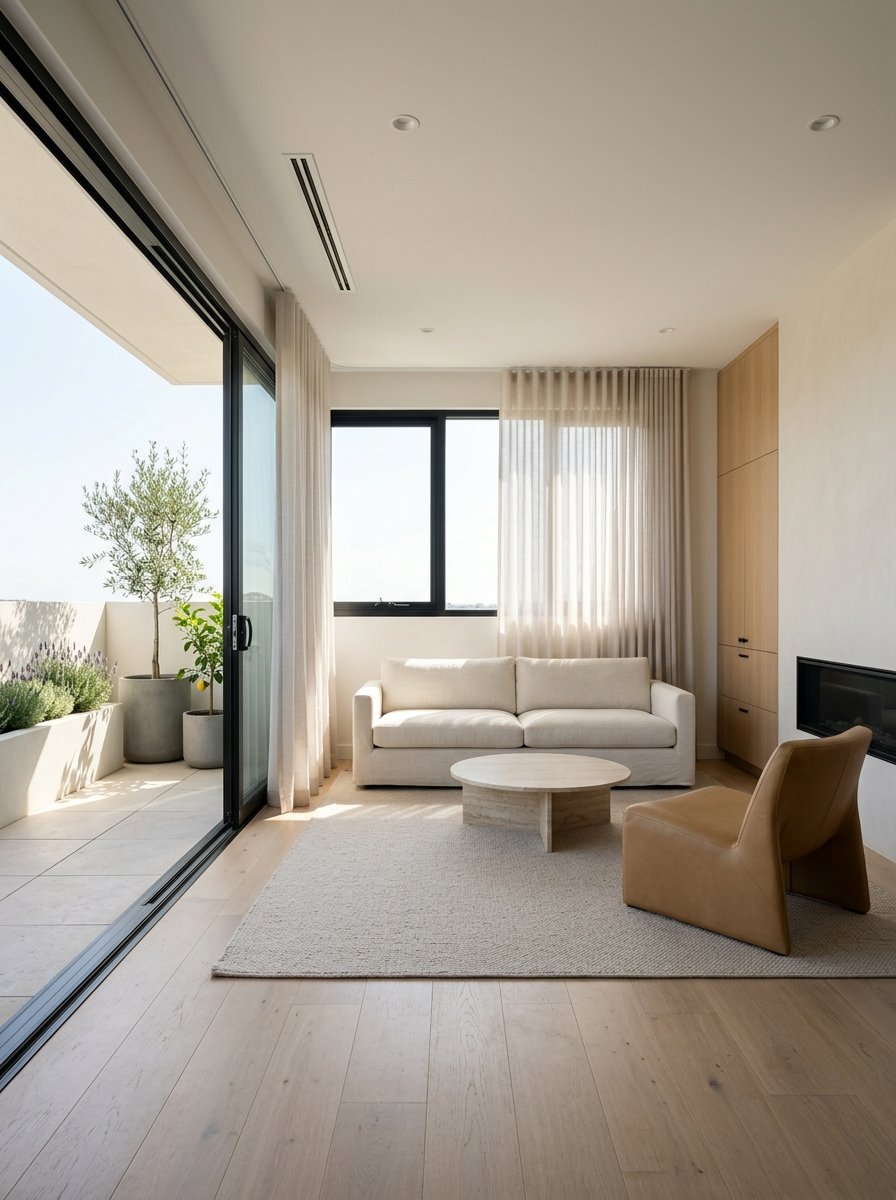
A condo can be a smart fit if you want Beverly Hills access with less day-to-day upkeep. In California, condos are part of a common-interest development, which means you own your unit and share ownership of common areas through the homeowners association.
For many buyers, that setup is appealing because the association typically handles common-area maintenance. That can mean fewer hands-on responsibilities than owning a house, especially if you prefer convenience or spend less time at home.
Many Beverly Hills condo listings also emphasize amenities and lock-and-leave ease. Depending on the building, you may find features like private pools and spas, balconies, top-floor locations, and upgraded kitchens.
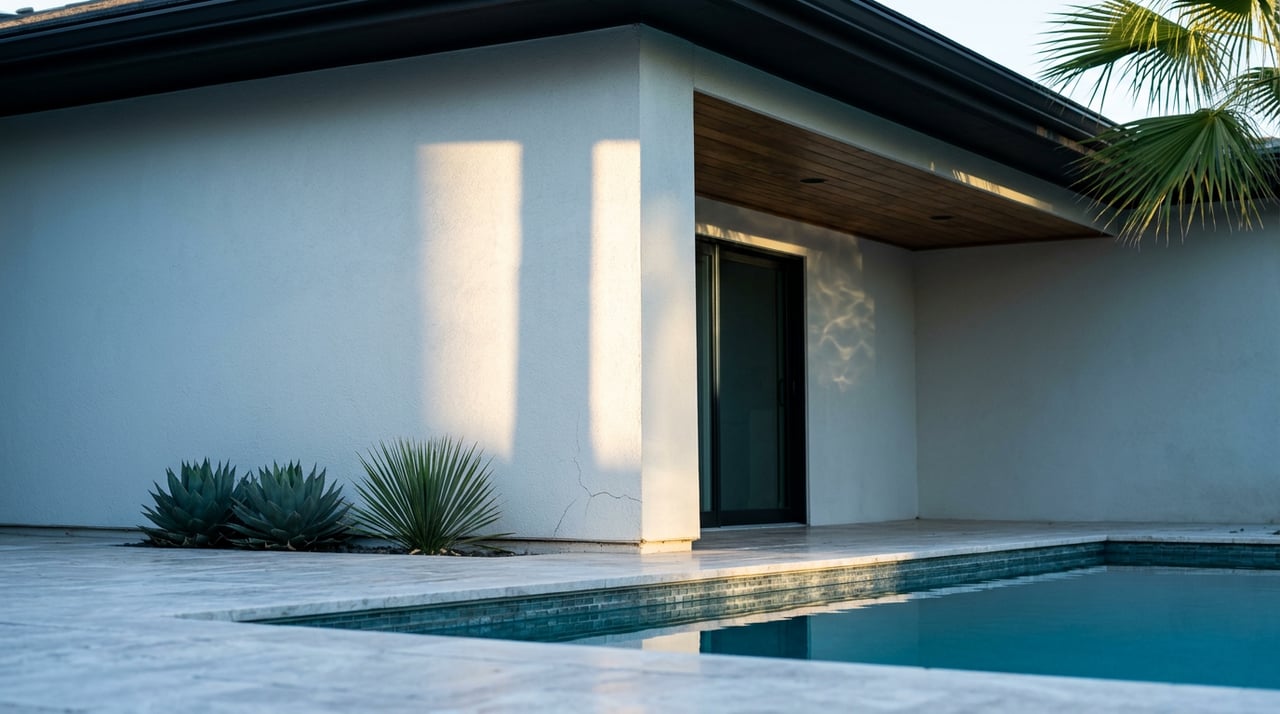
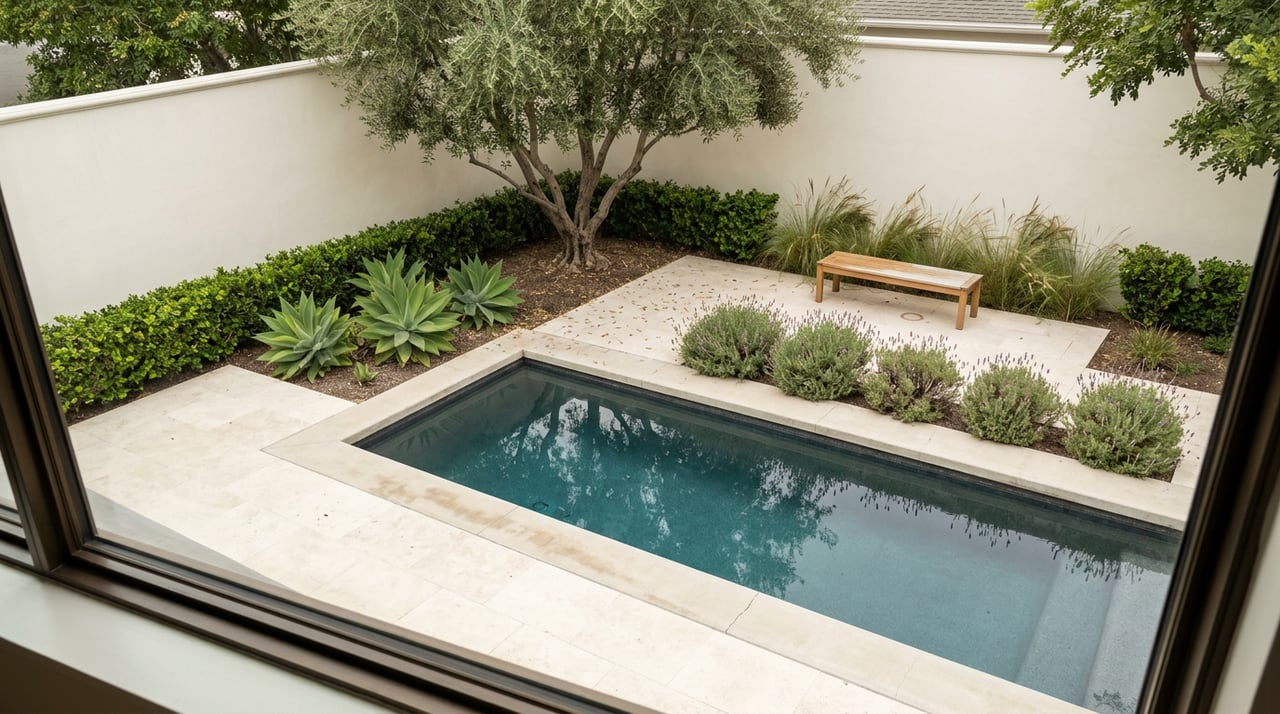
A house often makes more sense if privacy, outdoor space, and control are high on your list. Beverly Hills single-family properties can offer features that many buyers specifically want, such as pools, garden courtyards, gated motorcourts, panoramic views, and multi-car garages.
Owning a house usually gives you more direct control over how you use the property. That can be especially meaningful in Beverly Hills, where city rules for single-family homes address things like setbacks, walls, fences, hedges, and accessory structures.
At the same time, more control also means more responsibility. Exterior changes may be subject to city review depending on the area, and maintenance costs are more directly yours to manage.
If you are leaning toward a house, Beverly Hills has location-specific rules that should be part of your decision. The city divides single-family properties into the Central Area, Hillside Area, and Trousdale Estates, with different standards for setbacks, walls, fences, hedges, and related site rules.
In the Central Area, visible exterior changes are subject to design review. In the Hillside Area, there is no design review, but there are view-preservation rules. These details can affect renovation plans, privacy strategies, and how much freedom you really have with a property.
There is also an added flexibility factor for some detached homes. Beverly Hills allows up to one JADU, one conversion or attached ADU, and one detached ADU on single-family-zoned property, and certain qualifying lots over 13,000 square feet may add an incentive ADU.
This is one of the most important details buyers miss. In California, a common-interest development can include detached houses, townhomes, garden-style units, and high-rises.
So even if a property looks like a traditional single-family house, it is not automatically HOA-free. HOA membership transfers with the property, which is why you should still ask for CC&Rs and related documents whenever a property is part of a common-interest development.
If you are considering a condo, the building matters as much as the unit. Two condos with similar square footage and finishes can be very different purchases if one association is financially strong and the other is facing major costs.
California law requires sellers in these communities to provide important documents. Under Civil Code 4525, that includes governing documents, budget materials, current assessments, unpaid amounts, fines, unresolved violations, approved assessment changes not yet due, requested board minutes, and the most recent exterior elevated element inspection report.
That information helps you look past the staging and finishes. It gives you a better sense of how the property is run and whether future costs could affect your ownership experience or resale.
Reserve strength is not just a bookkeeping issue. California Civil Code 5300 requires annual budget reporting that includes reserve information, whether special assessments are anticipated, how reserves will be funded, outstanding loans, and an insurance summary.
Civil Code 5550 requires a reserve study at least every three years with an annual review, and Civil Code 5565 requires a reserve summary showing replacement costs, reserve balances, and the per-unit reserve deficiency. In simple terms, you want to know whether the building has planned ahead for major repairs.
If reserves are weak, owners may face special assessments. The California Department of Real Estate explains that special assessments can be used for major repairs, replacement, new construction, or unexpected costs that regular dues cannot cover.
The better choice often comes down to how you want to live and what role this purchase plays in your overall plan. If you want convenience, shared amenities, and a lower entry price into Beverly Hills, a condo may be the stronger fit.
If you want privacy, outdoor space, and more control over the property itself, a house may be worth the larger investment. In Beverly Hills, that difference can be especially meaningful because single-family rules, site standards, and ADU options add another layer to what ownership can look like over time.
It also helps to think beyond the first year. Your best choice should work not only for your current budget, but also for your maintenance tolerance, renovation interest, and future flexibility.
If you are still torn, use this checklist to clarify the answer.
The right move is not about which property type sounds more impressive. It is about which one fits your financial comfort, your daily life, and your long-term goals with the fewest surprises.
If you want help weighing condo versus house options in Beverly Hills, Sally Greene offers strategic, hands-on guidance to help you compare properties, understand the details, and make a confident move.
Stay up to date on the latest real estate trends.
Connect with a real estate professional who values trust, insight, and personal attention. Every step is guided by a deep understanding of what “home” truly means.