Los Feliz Real Estate Guide to Village and Hillside Living
July 2, 2026
July 2, 2026
What makes Los Feliz feel so different from one block to the next? In one stretch, you can picture sidewalk errands, coffee runs, and classic storefronts. A few minutes away, the streets start to curve, the lots slope upward, and the views open up. If you are thinking about buying, selling, or simply getting to know this part of Los Angeles, it helps to understand Los Feliz as a collection of distinct pockets rather than one single market. Let’s dive in.
Los Feliz is officially divided into several subareas by the Los Feliz Neighborhood Council, including Los Feliz Hills, Los Feliz Square, Los Feliz Village, Los Feliz Knolls, Franklin Hills, and West Los Feliz. The Hollywood Community Plan also places Los Feliz within the larger Hollywood area, which helps explain why the neighborhood acts as a bridge between a walkable commercial core and hillside residential streets.
That split is one of the biggest reasons Los Feliz stands out. The flatter village blocks follow a more traditional grid, while the hill districts become curving and sloped. In practical terms, that means your experience of the neighborhood can change quickly depending on where you are looking.
Los Feliz Village, identified as District C by the neighborhood council, is the most walkable pocket. It sits south of Los Feliz Boulevard and connects directly to the commercial corridors along Vermont Avenue and Hillhurst Avenue.
This area is more than a dining and shopping destination. City planning materials describe the village as a pedestrian-oriented corridor with storefronts set at the sidewalk, wide sidewalks, mature street trees, and a mix of retail and restaurant uses. That makes it one of the most practical daily-life hubs in the neighborhood.
The Los Feliz Village Commercial Historic District adds another layer of identity. It includes an intact early- to mid-20th-century commercial strip with about 15 one- and two-story storefront buildings, retail and restaurant uses, and the Los Feliz Theater as an anchor. Historically, the corridor served neighborhood needs with markets, theaters, restaurants, bakeries, and other everyday businesses.
Head north and east, and Los Feliz takes on a very different feel. Los Feliz Hills extends toward Griffith Park, Franklin Hills rises on the east side, and other hillside pockets introduce more winding streets, irregular lots, and a quieter residential rhythm.
The Los Feliz Heights Residential Historic District helps define that hillside character. According to Los Angeles planning materials, it includes roughly 317 one- and two-story single-family residences on the south-facing slope of Mt. Hollywood. The homes are known for Period Revival architecture, including American Colonial, Spanish Colonial, Mediterranean, and Tudor Revival styles.
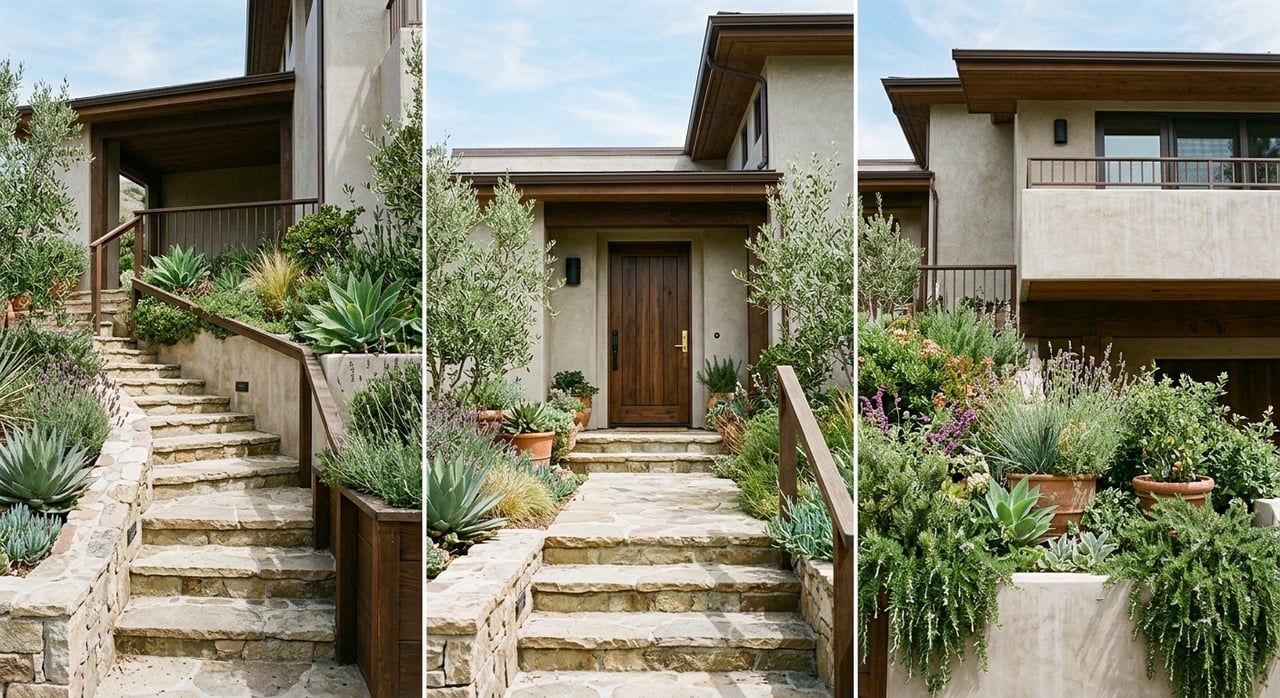
The setting matters just as much as the homes themselves. Curving streets, sloped lots, mature vegetation, public stairways, and expansive city views all shape the experience. If the village offers convenience and energy, the hills often offer privacy, architectural presence, and a more tucked-away feel.
West Los Feliz sits south of Los Feliz Boulevard and west of Vermont. Laughlin Park, located south of Griffith Park between Los Feliz Boulevard and Franklin Avenue, adds a more private pocket to the neighborhood mix.
Planning materials describe Laughlin Park as a gated enclave of single-family homes, primarily developed in the 1920s and 1930s, with private streets and a curvilinear layout. It is one more reminder that Los Feliz does not fit neatly into a single housing story or pricing story.
One of the most useful things to know about Los Feliz is that the housing stock changes by pocket. Near the village, the Los Feliz Village Multi-Family Residential Historic District spans roughly five blocks and includes apartment houses, courtyard apartments, and a bungalow court.
That same report notes a meaningful shift in the surrounding pattern. West of the district, residential development is mostly single-family homes. East of it, the mix includes both single-family and multi-family buildings.
For buyers, that means your options can range from lower-maintenance condos and apartments near the commercial core to larger detached homes in hillside settings. For sellers, it means your home is likely competing within a very specific micro-market, not across all of Los Feliz.
Los Feliz is clearly a premium market, but one neighborhood-wide number does not tell the full story. Redfin’s May 2026 closed-sale data shows a median sale price of $1,948,844, a median of 41 days on market, 48.0 percent of homes selling above list price, and 25.1 percent of homes taking price reductions.
Realtor.com’s May 2026 neighborhood summary shows a median listing price of $2,299,500, a median sold price of $2,141,000, and 49 days on market. Those figures use a different methodology, so the gap is not necessarily a contradiction. The bigger takeaway is that Los Feliz remains an expensive and active market, with pricing that can vary sharply by property type and location.
Recent sold examples make that range easier to see. Redfin data includes a $795,000 one-bedroom condo on Los Feliz Boulevard, a $2,450,000 three-bedroom home on Lyric Avenue, and a $3,325,000 four-bedroom home on Ambrose Avenue. That spread supports what local buyers and sellers often discover quickly: Los Feliz works more like several micro-markets than one uniform price band.
If you are trying to narrow your search, it helps to think in terms of lifestyle and property type. The documented housing mix suggests a practical tradeoff between the village and the hills.
The village core may appeal more if you want:
The hillside pockets may appeal more if you want:
That does not mean one option is better than the other. It means the right fit depends on how you want to live and what type of home supports that plan.
Griffith Park is one of the neighborhood’s biggest draws. The city states that the park covers 4,218 acres and includes 53 miles of hiking and equestrian trails. It also includes the Griffith Observatory, Greek Theatre, Los Angeles Zoo, Gene Autry Museum, and Travel Town.
That kind of access shapes day-to-day life for many residents. Whether you care most about outdoor time, cultural destinations, or the feeling of living near one of Los Angeles’ most recognized public spaces, Griffith Park adds a major lifestyle advantage.
Barnsdall Art Park offers a different kind of landmark on the southern side of Los Feliz. The City of Los Angeles says the park sits atop Olive Hill and was donated along with Frank Lloyd Wright structures in 1927 as an accessible arts center. Hollyhock House is now promoted as Los Angeles’ only UNESCO World Heritage Site.
Taken together, these anchors help explain why Los Feliz feels both practical and culturally rich. You have a neighborhood-serving commercial core, major park access, and notable historic and arts destinations within the same broader area.
Yes, though the answer depends on the pocket and property type. Redfin labels Los Feliz as somewhat competitive, while Realtor.com’s May 2026 summary describes it as a seller’s market.
For buyers, that suggests it is important to enter the market with a clear strategy and a realistic understanding of your target pocket. For sellers, it reinforces the value of pricing, preparation, and positioning your home against the most relevant nearby competition.
In a neighborhood like Los Feliz, details matter. A condo near the village, a character home in Franklin Hills, and a private residence in a gated enclave are not likely to behave the same way in the market, even though they share the same neighborhood name.
Because Los Feliz includes different street patterns, housing types, price points, and lifestyle tradeoffs, broad advice only goes so far. Buyers often benefit from comparing specific pockets side by side instead of focusing on one neighborhood average. Sellers often benefit from a marketing and pricing plan that reflects the realities of their exact micro-location.
That is where a calm, hands-on approach can make a real difference. In a layered market like Los Feliz, the best decisions usually come from matching the property to the right audience, understanding what buyers value in that pocket, and negotiating from a position of preparation.
If you are considering a move in Los Feliz, whether you are drawn to the village energy, hillside views, or a more private residential setting, working with someone who understands both the financial and lifestyle sides of the decision can help you move forward with more confidence. When you are ready to talk through your options, connect with Sally Greene.
Stay up to date on the latest real estate trends.
Connect with a real estate professional who values trust, insight, and personal attention. Every step is guided by a deep understanding of what “home” truly means.