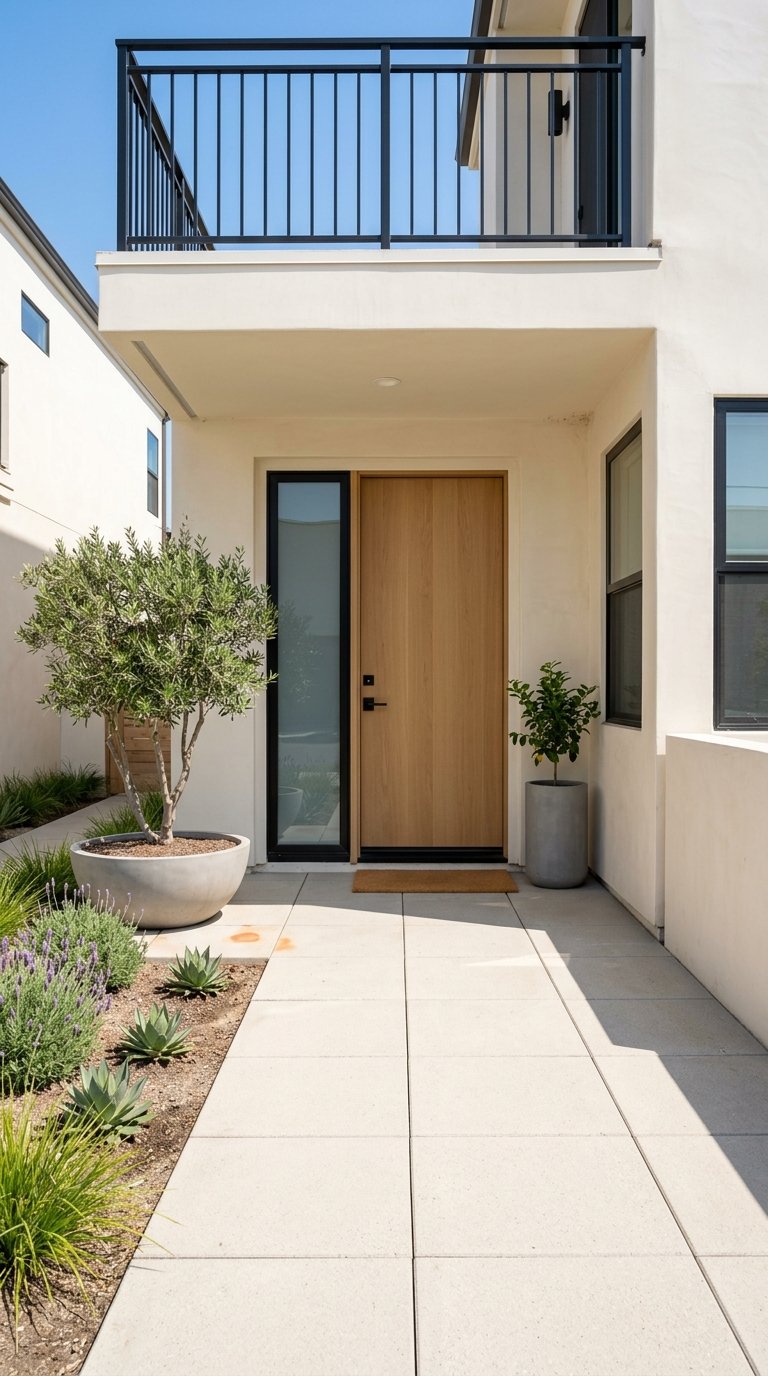
First-Time Buying In Valley Village: What To Expect
June 18, 2026
June 18, 2026
Buying your first home in Valley Village can feel exciting and overwhelming at the same time. You may be wondering how far your budget will go, what kind of homes you will actually find, and how competitive the process might be. The good news is that with the right preparation, you can move through the process with more clarity and confidence. Here is what to expect as a first-time buyer in Valley Village, and how to plan your next steps.
One reason Valley Village stands out for first-time buyers is that it is not a one-price, one-property-type neighborhood. Recent sales show a wide range, from a two-bedroom unit on Weddington Street that sold for $665,000 to detached homes that sold for well over $1.8 million and even near $4 million. That spread means your first purchase here may look very different depending on your goals, timeline, and financing.
Valley Village also has a meaningful mix of housing types. The broader North Hollywood-Valley Village area includes a strong share of multi-unit housing, with older condos, townhomes, and smaller detached homes shaped by a housing stock largely built from the 1950s through the 1970s. For many first-time buyers, that makes attached housing a realistic path into the neighborhood.
The area also offers everyday convenience that many buyers value. Market data rates Valley Village as moderately walkable and bikeable, which can add to its appeal if you want neighborhood access without leaving Los Angeles proper.
Valley Village appears to be lean, but not extreme. Recent market snapshots show median days on market ranging from 39 to 54 days, with roughly 39 homes sold in the latest reported month and active inventory generally landing between 65 and 71 listings. That tells you homes are moving, but not always at a breakneck pace.
Pricing is best understood as a range rather than one exact number. Recent sources place the median sale price around $1.1 million, the median listing price around $1.3 million, and the typical home value around $1.26 million. Since these figures come from different timeframes and methods, the bigger takeaway is that Valley Village is often a seven-figure market.
Competition is still part of the picture. Some homes receive multiple offers, and average sales tend to close close to list price. As a first-time buyer, this means preparation matters just as much as price.
A common first-time buyer mistake is focusing only on the down payment. In reality, you will want to map out your full cash picture early, including closing costs, prepaid items, and an emergency cushion after closing. Consumer guidance says closing costs, excluding your down payment, often run about 2% to 5% of the purchase price.
On a Valley Village purchase, that can be a meaningful number. Depending on the home price, you may need to budget for appraisal fees, title insurance, government taxes, prepaid property taxes, insurance, and prepaid interest. Knowing those costs in advance can help you avoid stretching too far on the purchase itself.
Your debt-to-income ratio also plays a major role in what you can comfortably afford. Fannie Mae notes that this ratio is a core affordability measure, and some qualifying conventional borrowers may be approved with a debt-to-income ratio as high as 50%. Some conventional loan options may also start at 3% down, though qualification depends on the borrower and loan profile.
Before you seriously shop in Valley Village, it helps to get preapproved. A preapproval letter shows sellers you are serious, even though it is not a final loan commitment. It also gives you a more realistic sense of your price range before you start touring homes.
Preapproval letters often expire in 30 to 60 days, so timing matters. It is also smart to compare offers from multiple lenders and ask clear questions about documentation requirements up front. A smooth financing process often depends on how organized and responsive both you and your lender are from the beginning.
In Valley Village, preapproval can matter even more because some homes still draw multiple offers. If two buyers like the same property, the one who already has financing lined up may look more ready to perform.
Because home prices in Valley Village often cluster around or above the million-dollar mark, financing structure matters. For Los Angeles County in 2026, the conforming loan limit for a one-unit property is $1,249,125. Depending on the purchase price and your down payment, some buyers may need high-balance or jumbo financing.
That does not mean Valley Village is out of reach. It does mean your lender should help you understand how your target price, down payment, and monthly payment all work together. This is especially important if you are deciding between an attached home at a lower price point and a detached home that pushes your financing into a different category.
If you qualify, California programs may offer useful support. CalHFA defines a first-time buyer as someone who has not owned and occupied a home in the past three years, and its programs require the home to be your primary residence. Homebuyer education is also required for CalHFA first-time buyer programs.
CalHFA’s MyHome program can provide a deferred-payment junior loan of up to the lesser of 3.5% of the purchase price or appraised value for down payment and or closing costs. CalPLUS can also be paired with ZIP, a 0% subordinate loan for closing costs and prepaid items only. If you are trying to balance cash to close with monthly affordability, these programs may be worth reviewing with your lender.
In Valley Village, attached housing is not a side category. It is a normal part of the local market. For many first-time buyers, a condo or townhome may offer the best mix of location, space, and entry price.
That said, buying a condo is different from buying a detached home. You are buying into a shared community structure, not just the unit itself. That is why condo due diligence deserves extra attention.
If you are considering a condo or townhome, expect to review more than the floor plan and monthly payment. Fannie Mae recommends asking about:
You will also usually have a limited window to review condo documents after your offer is accepted. This step matters because the monthly HOA fee is only part of the story. A low fee does not always mean lower long-term risk if reserves are weak or a major assessment may be coming.
In a market with limited inventory, your offer needs to be both competitive and protective. Consumer guidance recommends keeping financing and inspection contingencies in place so you are not locked into a purchase if your loan falls through or a serious issue comes up during inspection. Those protections are especially important for a first-time buyer.
Earnest money is also part of the process. This is a good-faith deposit that is typically applied toward your closing costs or down payment if the sale closes. Your agent can help you understand the amount, timing, and contract terms involved.
In practical terms, a strong offer usually means:
Once you are in contract, the process becomes more document-heavy. Inspections, appraisal, loan underwriting, and final disclosures all happen during this stage. This is where staying organized can reduce stress.
One of the biggest final checkpoints is the Closing Disclosure. The lender must send it at least three business days before closing, and you should compare it with your earlier Loan Estimate. If any fees changed, ask why before signing.
You can also shop for certain closing service providers, including title and settlement services. Consumer guidance notes that choosing your own providers can save money in some cases. Even near the finish line, asking clear questions can still protect your budget.
Valley Village can be a smart first purchase market if you go in with clear expectations. You are likely looking at a neighborhood with a broad mix of condos, townhomes, and detached homes, but also a market where price points can change quickly from one listing to the next. That makes careful budgeting and strong local guidance especially valuable.
The buyers who tend to feel most confident are the ones who prepare before they fall in love with a home. They know their numbers, understand their financing, and review the details closely when a property comes up. In a neighborhood like Valley Village, that preparation can help you act quickly without losing your footing.
If you are thinking about buying your first home in Valley Village, Sally Greene offers strategic, hands-on guidance to help you understand the market, build a smart offer plan, and move forward with confidence.
Stay up to date on the latest real estate trends.




Connect with a real estate professional who values trust, insight, and personal attention. Every step is guided by a deep understanding of what “home” truly means.